Free shipping over $999 · Firearms ship to your Nevada FFL dealerBattle BornShipping & FFL · Contact
Home / Home defense

Home defense guns

Shotgun, pistol or carbine, how to think about the choice, and what Nevada law says about defending yourself at home.

There is no best answer, only the gun that suits your house and that you will practice with. A rural place outside Fallon and a third-floor apartment off Flamingo are different problems. Start with the layout you actually live in, then pick.

OptionSuitsTrade-off
Pump or semi-auto shotgunOne-room house, no hallway shotsHits hardest up close and is cheap to buy. Long, slow to reload, and recoil puts people off practicing.
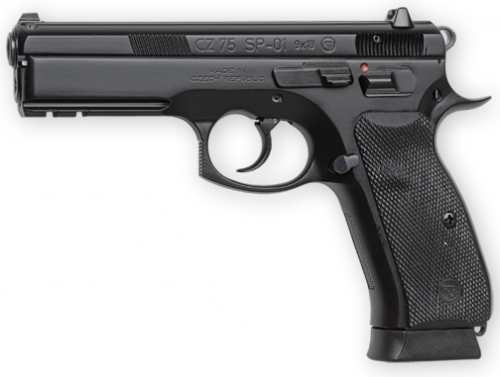
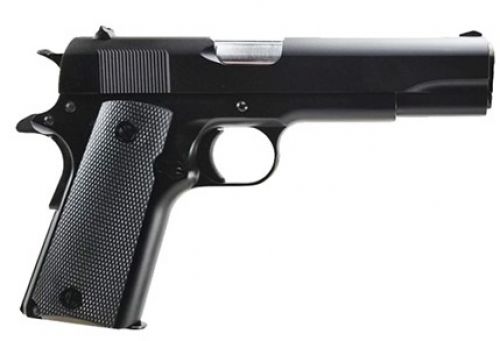
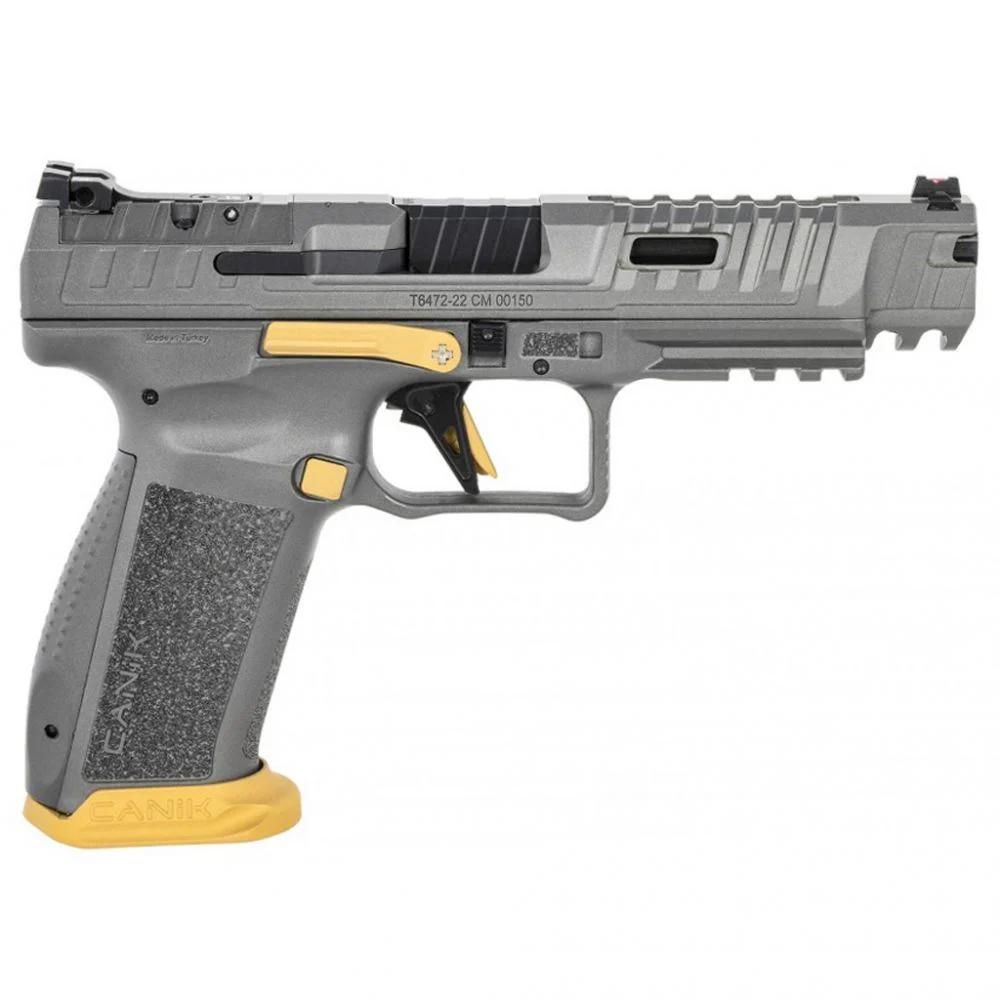
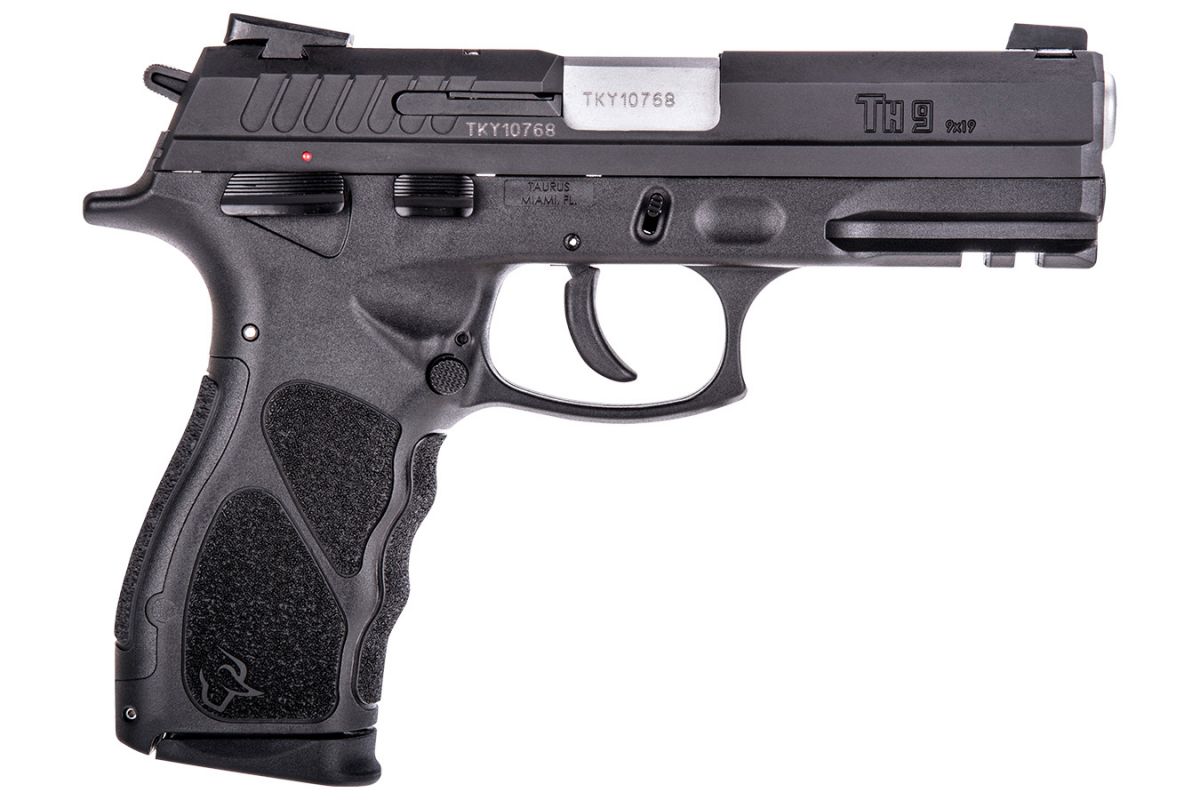
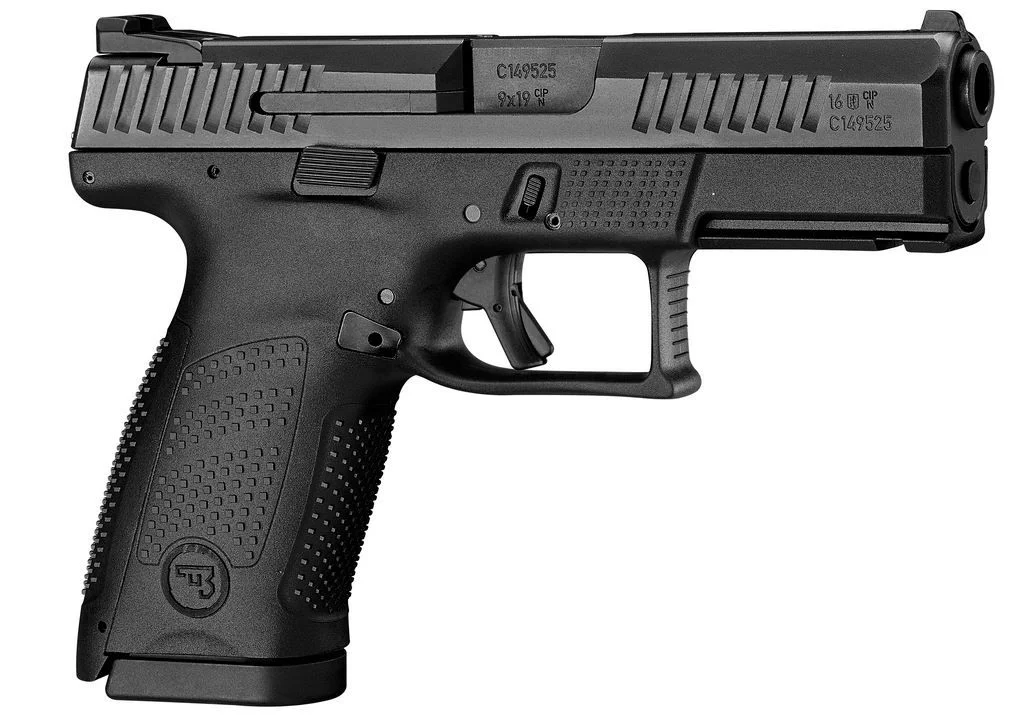
Full-size pistolAnyone who may need a free handEasy to keep in a quick-access safe, easy to move through a house with. Hardest of the three to shoot well under stress.
CarbinePeople who already shoot oneEasiest to hit with, mild recoil, most capacity. Loud indoors, and a rifle round can travel further than you expect.

Shotguns

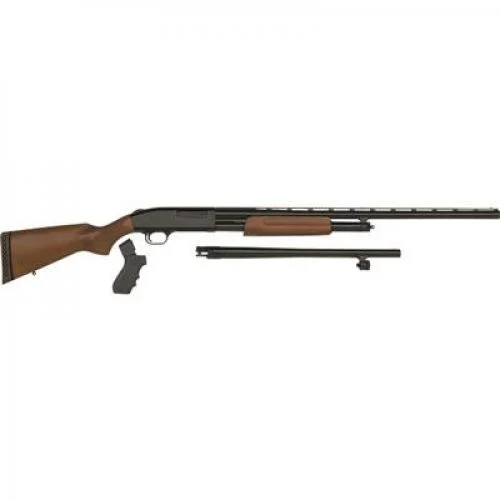
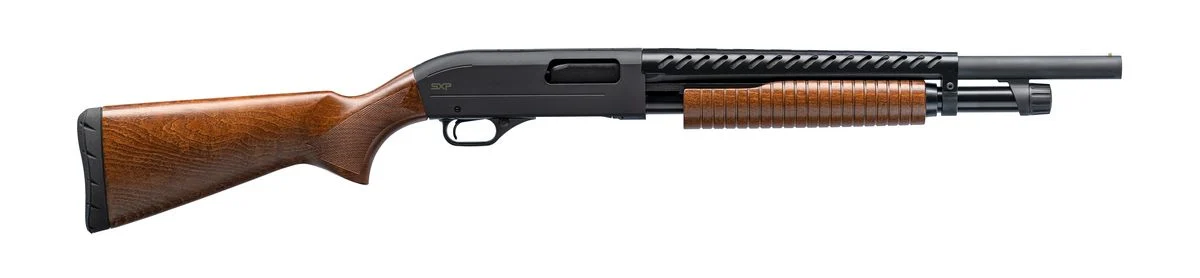
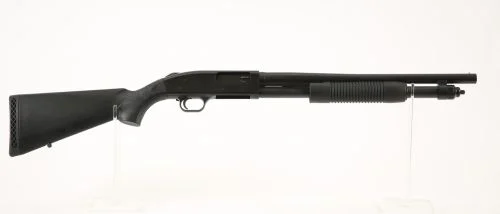
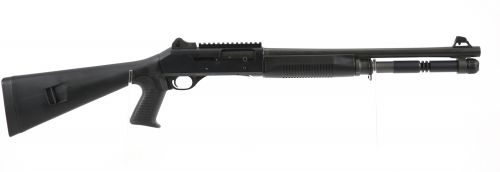
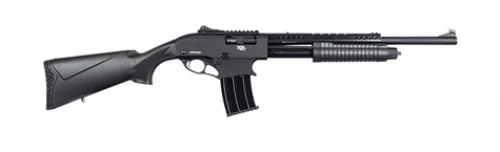
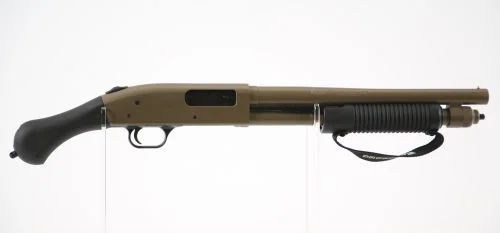
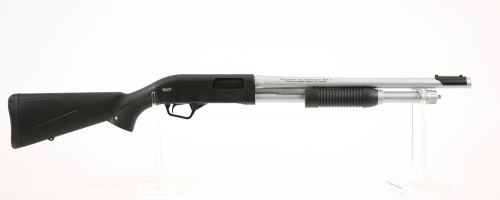
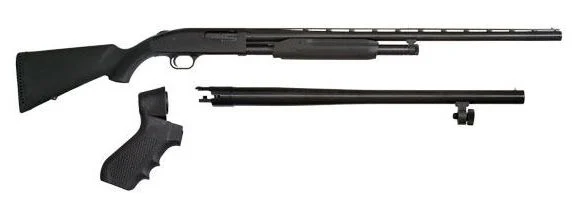
A pump 12-gauge is the cheapest serious defensive gun you can buy, and buckshot inside a house is decisive. The costs are length, weight and recoil, which is why so many of them sit unfired in closets. If you choose one, cut the stock to fit you, put a light on it, and shoot it enough that working the pump is automatic. A 20 gauge is a real option for a smaller shooter.

Pistols

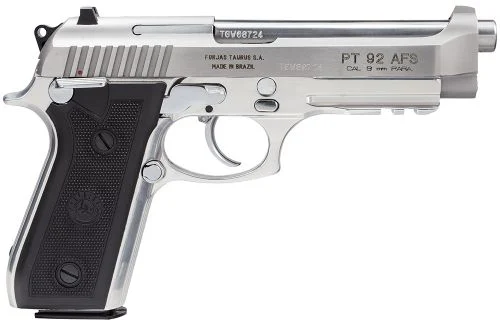
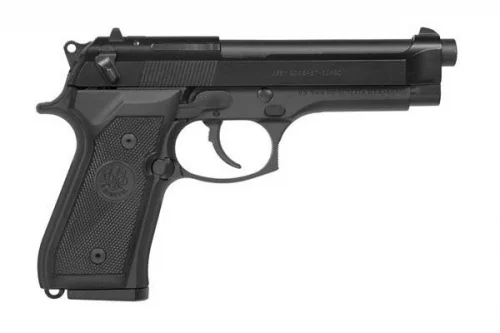
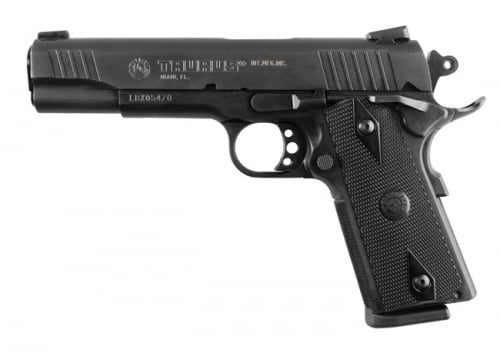
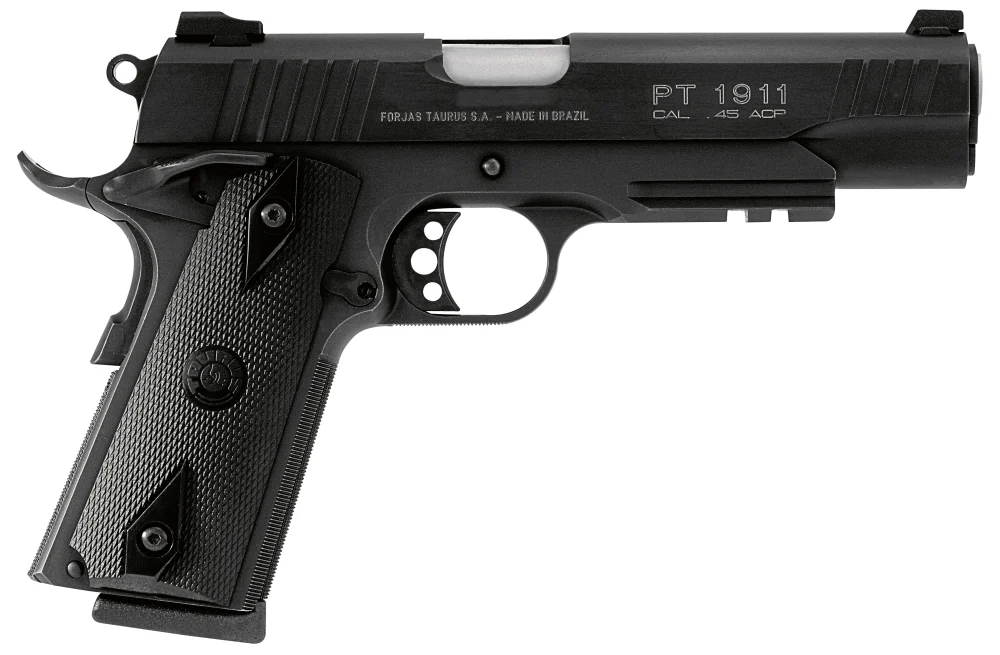
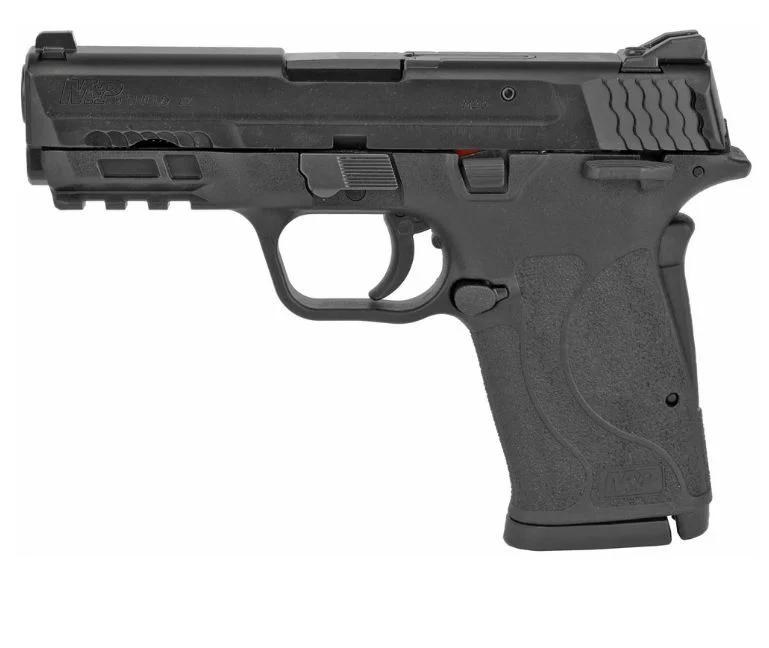
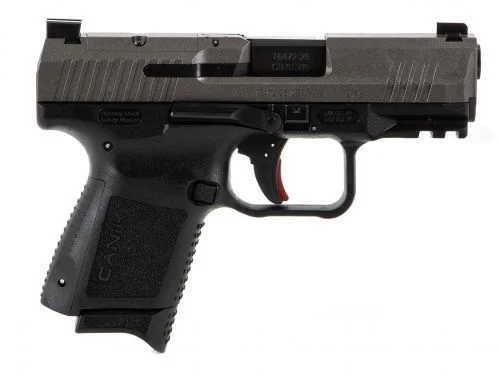
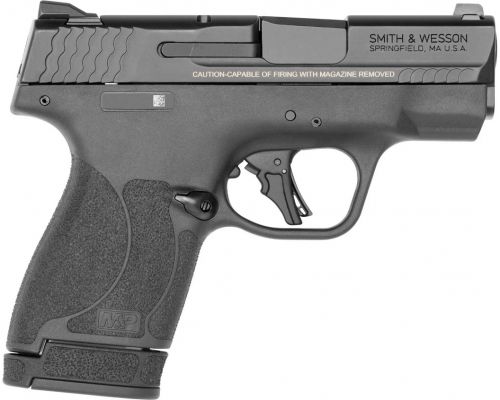
A full-size 9mm is the most flexible choice. It lives in a quick-access safe next to the bed, it leaves a hand free, and it is the same gun you can train with all year. It is also the hardest of the three to shoot accurately under stress, so it demands the most practice.

Carbines

An AR-pattern carbine is the easiest gun here to hit with, has the least recoil and holds the most rounds. It is legal in Nevada with standard magazines and no feature restrictions. Indoors it is very loud, and a rifle bullet can carry further through walls than people assume, so think carefully about your layout and your load.

Light, storage and practice

  • Put a light on it. You cannot shoot at what you have not identified, and most of this happens in the dark.
  • Quick-access safe. Secure from children and anyone who should not have it, open in seconds for you.
  • Practice the boring parts. Loading, unloading, clearing a jam, moving with the gun. Those are what fail first.
  • Have a plan. Where you go, who you call, what you say. Decide it now, not at 3am.

Nevada law, in general terms

Nevada does not require you to retreat from your home before defending yourself. The statutes on justifiable homicide set out when the use of deadly force is justified, including against someone attempting to commit a violent felony against a person in a place where they have a right to be, and they cover a person who is not the original aggressor and is not engaged in criminal activity (NRS 200.120, NRS 200.160).

This is general information, not legal advice. Self-defense cases turn on their facts and on how the statute is applied, and nothing on this page tells you what you may do in a particular moment. Read the current statutes and talk to a Nevada attorney. See our Nevada gun law overview for the rest.
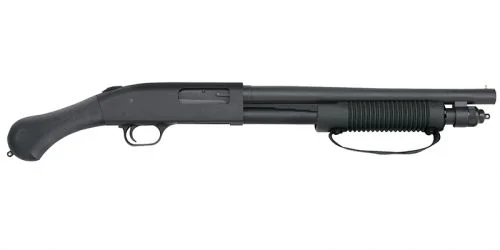
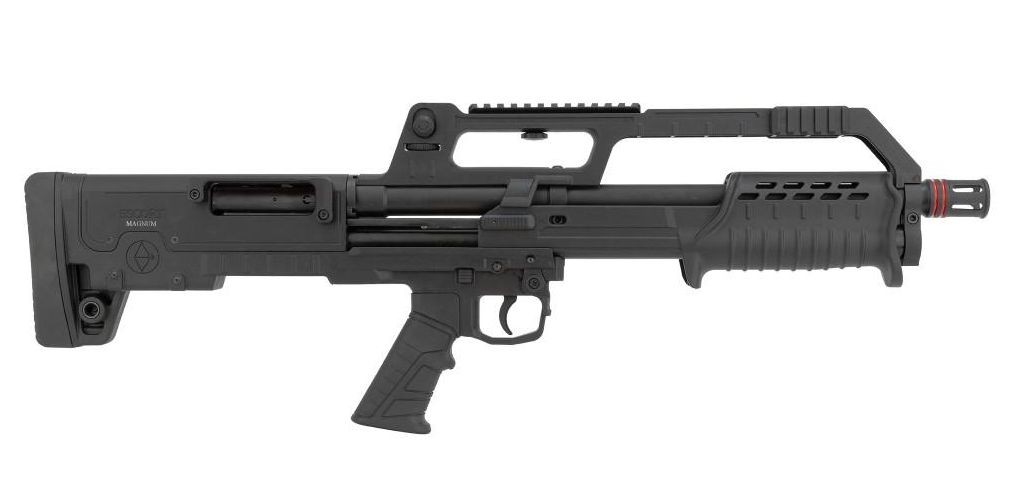
Home defense shotguns

All defense shotguns →

Full-size defensive pistols

All pistols →

Common questions

What is the best home defense gun?

The one you will practice with and can run in the dark. A 12-gauge pump hits hardest, a carbine is the easiest to hit with, and a pistol leaves a hand free for a door, a phone or a child. Most people are better served by whichever of the three they will actually take to the range.

Shotgun or pistol for home defense?

A shotgun does more with one hit and costs less. A pistol is easier to store in a quick-access safe by the bed, easier to keep control of in a tight hallway, and easier to hold onto if someone grabs for it. Think about your house and your hands, not about which is more powerful on paper.

Is a 20 gauge enough?

Yes. Inside a house the difference between 12 and 20 is smaller than the difference between a gun you practice with and one you do not. A 20 gauge that fits a smaller shooter is a better defensive gun than a 12 they flinch behind.

What about over-penetration?

Every defensive round can pass through interior walls, including buckshot and pistol bullets. Know what is behind the direction you might shoot, including the rooms your family sleeps in and the neighbor’s house, and choose your load with that in mind.

Does Nevada have a castle doctrine?

Nevada law recognizes that a person who is not the original aggressor, is in a place they have a right to be, and is not engaged in criminal activity has no duty to retreat before defending themselves, and it sets out when a killing is justifiable (NRS 200.120, NRS 200.160). The details decide real cases. This is general information, not legal advice, and a Nevada attorney is the right person to ask about your circumstances.

Can I keep a loaded gun in my house in Nevada?

Nevada sets no general storage mandate for adults, but keeping a firearm where a child or a prohibited person can get to it can create criminal and civil liability. A quick-access safe solves both problems: it keeps the gun out of the wrong hands and still lets you reach it in seconds.

Do I need a permit for a home defense gun?

No. Nevada requires no permit or registration to buy or keep a firearm in your home. A CCW permit is only for carrying concealed in public.

How much should I train?

More than you will want to. Learn to load, unload and clear a malfunction without looking, shoot at defensive distances rather than across a 25-yard range, and run the gun once with a flashlight in your hand. A class is worth more than another box of ammunition.

More Nevada guides